Why do we need atmospheric vertical profile observations?
Atmospheric vertical profile observations in meteorology are crucial as they provide essential information about the atmosphere’s structure and composition at different altitudes. These measurements allow meteorologists to understand how temperature, humidity, wind speed, and other atmospheric variables change with altitude. These vertical data, in turn, are vital for accurate weather forecasting, as they help identify important features such as temperature inversions, wind shear, and moisture layers. Vertical profiles are also important for assessing atmospheric stability, which is critical for predicting the formation of clouds, precipitation, and severe weather events. By incorporating these observations into numerical weather prediction models, forecasters can significantly improve the accuracy of their weather forecasts and high-impact weather warnings, ultimately enhancing public safety and supporting numerous sectors that rely on precise weather information.
How does EUMETNET contribute to vertical profile observations?
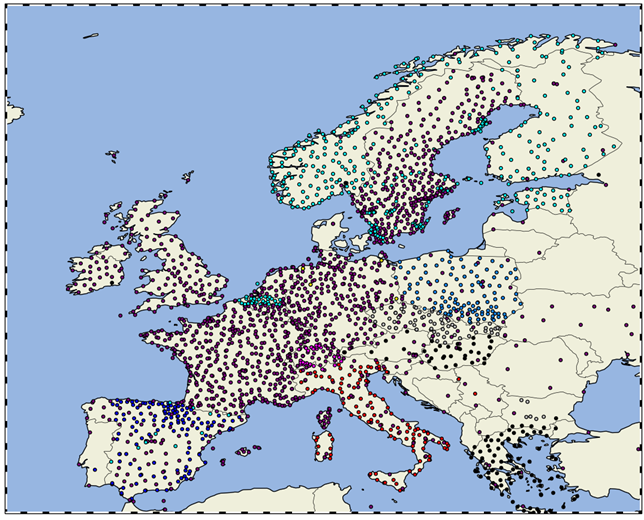
The EUMETNET E-Profile programme collects, processes and disseminates vertical profiles of atmospheric properties such as wind, temperature, humidity, and the presence of aerosols including volcanic ash. This centralised data processing and extensive quality monitoring adds value to the collected data in terms of standardisation, quality, timeliness and availability. E-Profile data are used in numerical weather prediction, air quality, volcanic ash advisories, and research projects.
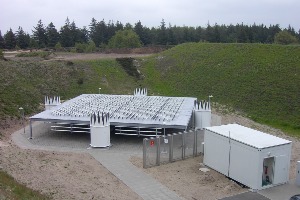
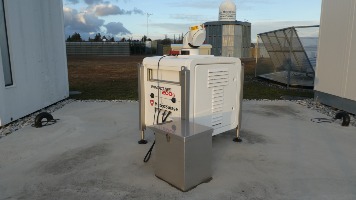
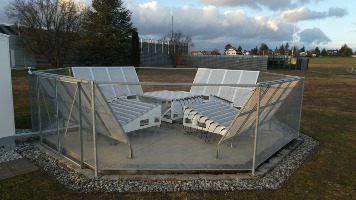
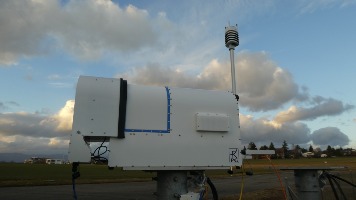
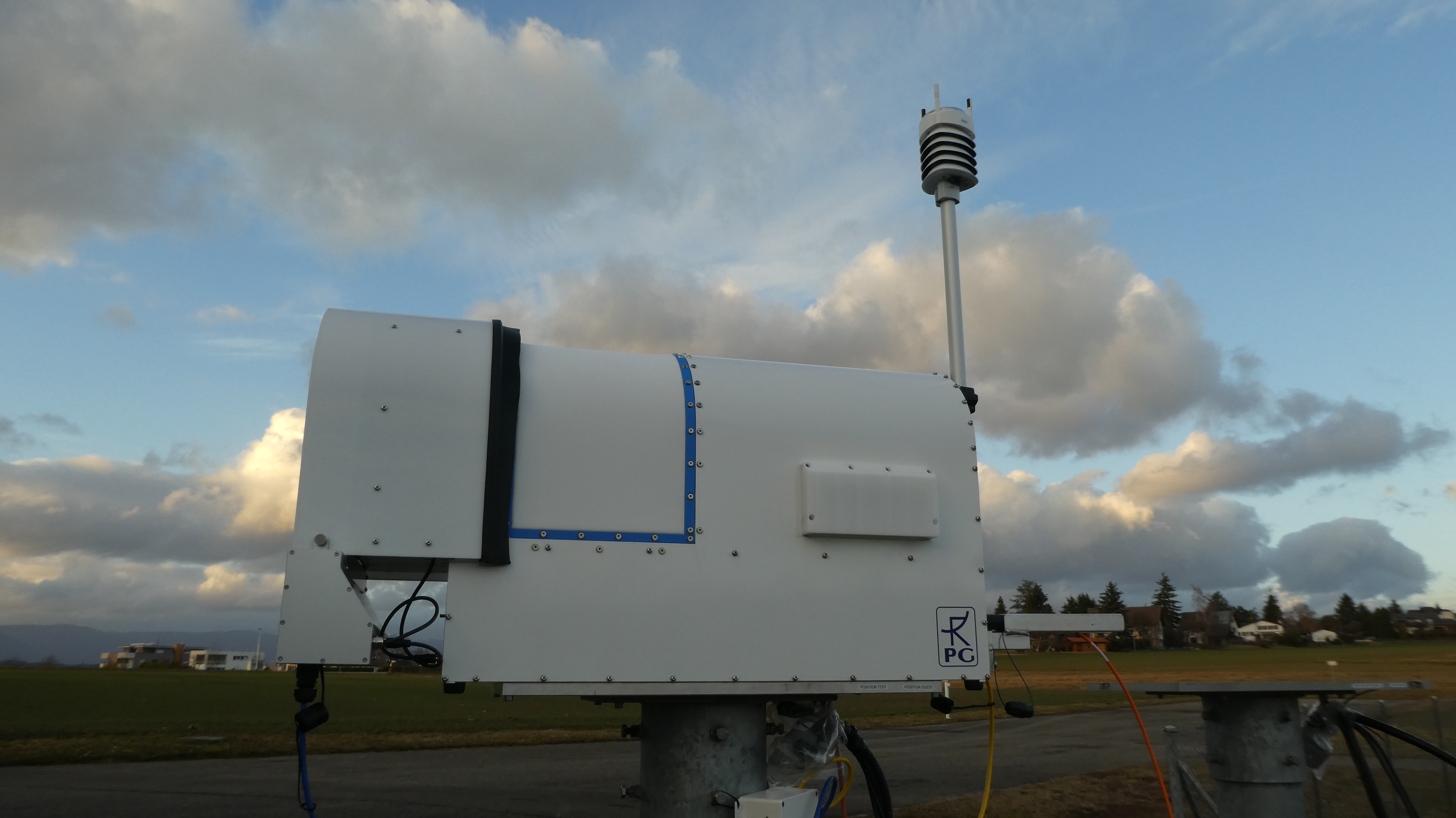
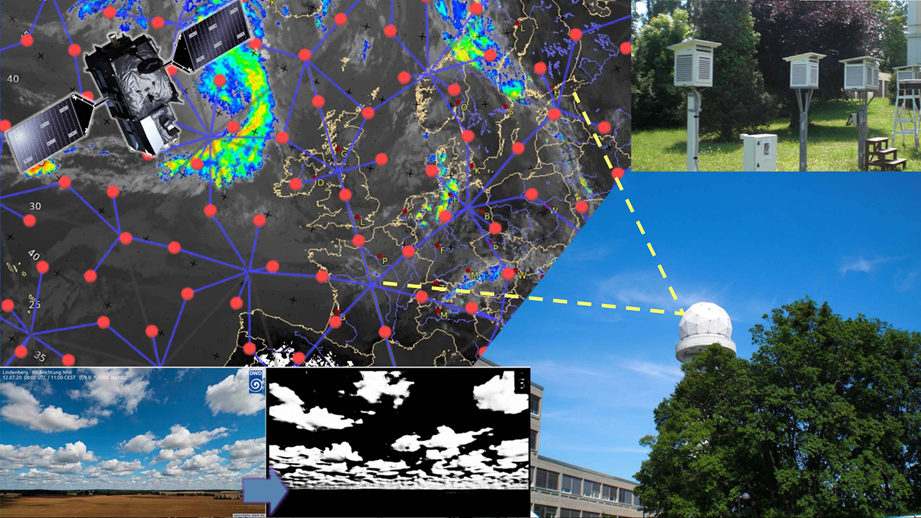
The E-Profile networks consist of surface-based remote sensing instruments such as radars (radio detection and ranging), lidars (light detection and ranging), and microwave radiometers, which are operated by EUMETNET members or partners—typically universities with a commitment to perform long-term measurements. The E-Profile centralised processing performs data management such as calibration, aggregation, inversion, and formatting to generate uniform meteorological data that are disseminated through the Global Telecommunication System (GTS) or the WMO Integrated Global Observing System (WIGOS) information system (WIS). The methodology used has been mostly developed within the European Collaboration in Science and Technology (COST) actions (i.e. ES0702 (EG-CLIMET), ES1303 (TOPROF) and CA18235 (PROBE))
E-Profile Data visualisation is available at the following links:
https://e-profile.eu
https://vprofiles.met.no
Who’s leading this EUMETNET activity?
The E-Profile programme is led by the National Meteorological Service (NMS) of Switzerland (MeteoSwiss) in partnership with the NMSs of the UK (Met Office) and Norway (MET Norway).
Programme manager: Alexander Haefele (MeteoSwiss)
Email address: e-profile[at]meteoswiss.ch.
Featured Images